Planning for Safety

If you feel unsafe in your relationship, a safety plan can be a very valuable resource.

A safety plan will help you think through some of the steps you may decide to take to protect yourself and your children. You can receive support in creating a safety plan from counselors on the Philadelphia Domestic Violence Hotline (1-866-723-3014).


Your safety plan may include:
Safety Planning 1
  • Know where you can get help. Keep a list of important phone numbers (police, domestic violence hotline, hospital) and use this mobile resource guide.
  • Plan with your children. Identify a safe place for them (room with a lock, neighbor’s house). Let them know that their job is to stay safe; not to protect you.
  • Arrange a signal with a neighbor or friend for when you need help.
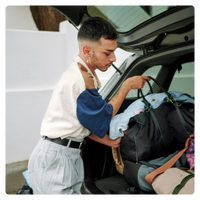
  • Prepare an emergency kit or "go bag" that you can get to quickly. (You may want to keep it at a trusted friend’s/neighbor’s house.)
  • If you want to leave, plan the safest time to get away. Know how you will leave and where you plan to find initial safety.
  • Leaving can be the most dangerous time in an abusive relationship, so if you forget something, do not return to the home. Advocates at Women Against Abuse can help clients replace documents or other items they may need.

Call the Philadelphia Domestic Violence Hotline


Your "go bag" may include:
Safety Planning
  • Money, EBT card, checkbook, credit cards, pay stubs
  • Personal documents, such as birth certificate, passport, photo ID, social security card, green card, work permit, etc.
  • Health insurance cards, extra medication for you and your children
  • Deed or lease to your house or apartment
  • Court papers or orders
  • Change of clothes for you and your children
  • An extra set of house and car keys
  • Phone charger

need help creating a safety plan?

Caring, experienced counselors are available 24/7 through the Philadelphia Domestic Violence Hotline.

Waa-walk-6
William-spratley

William’s Story

William Spratley flicks through the text messages on his phone until he finds the one he’s been looking for. It’s from his 27-year old daughter, Ameya, and it’s the last words he will ever exchange with her.

Read Full Story
DOUG-S2

Doug Schoenberg’s Story

Doug Schoenberg, Co-Founder and CEO of SofterWare, Inc., recently provided a challenge match through the Schoenberg Family Charitable Fund as an incentive to help Women Against Abuse gain new monthly donors.

Read Full Story
Untitled design 46

Lucia’s Story

Lucia* came to the Women Against Abuse emergency shelter pregnant and with five children.

Read Full Story
Sara

Sara’s Story

Meet Sara, a survivor of domestic violence, who overcame an abusive relationship and navigated a new country, all while parenting two children.

Read Full Story
Trevor thumb

Trevor's Story

Trevor is a college student and advocate who shared his story at our 2018 iPledge Campaign press conference.

Read Full Story
Candace Survivor Story IG Smaller

La historia de Candace

Al pensar en la violencia doméstica, a menudo se piensa en una víctima/sobreviviente adulta. Pero ¿qué sucede con los niños, las niñas y las personas jóvenes adultas que han experimentado abuso o han sentido miedo en sus propios hogares? Candace, quien trabajó como terapeuta en Women Against Abuse, fue testigo de cómo abusaban a su madre durante años y elige contar su historia sobre este aspecto de la violencia doméstica del que poco se habla. A continuación, sus palabras.

Read Full Story
Untitled design 8

Janine's Story

I thought I had found THE ONE. I rekindled a friendship with someone who was God fearing, worked at the church and brought me closer to God. He would pray over me and for our relationship, and I thought he was my safe space. Until one day he wasn’t…

Read Full Story
Untitled design

Un nuevo comienzo para Natalie

Ingresar al albergue seguro de Women Against Abuse, realmente irse para siempre, fue la culminación de 10 años de abuso en la relación; más discusiones, amenazas y noches sin dormir de las que Natalie* podría contar. Tenían hijos en común, compartían la vida y dependían del otro económicamente. No era fácil ponerle un fin a la relación.

Read Full Story
Mother_with_Baby_in_front_of_house

LATICIA'S STORY

“We were just a couple trying to make a relationship work,” reflected Laticia.

Read Full Story
Alyssa

Alyssa’s Story

Alyssa*, a person with a disability who uses a wheelchair, was living with her parents.

Read Full Story

If you or someone you know needs help, call our toll-free 24-hour Hotline:

1.866.723.3014

Sign up for Action Alerts, Updates & Newsletters!